
GLP-1 injection in Marseille
The treatment of overweight andobesity is now based on a comprehensive, progressive, and personalized medical approach that takes into account the metabolism, lifestyle, and medical history of each patient.
In this context, GLP-1 analog injections are a recognized treatment option prescribed by a doctor to improve appetite control, promote feelings of fullness, and reduce overeating. This treatment can support lasting weight loss when it's part of a structured care plan. The GLP-1 analog injections are administered by a healthcare professional at a doctor's office or clinic. They are available in a variety of dosages and are administered once a week. The treatment is tailored to each patient's individual needs and is monitored by a healthcare professional. The GLP-1 analog injections are not a substitute for a healthy diet and regular exercise. They are intended to be used in conjunction with a healthy lifestyle. The GLP-1 analog injections are not intended to be used for weight loss in patients who are not overweight or obese.
This is neither a miracle product nor a cosmetic solution, but a prescription medication that requires prior medical evaluation and regular monitoring by healthcare professionals.
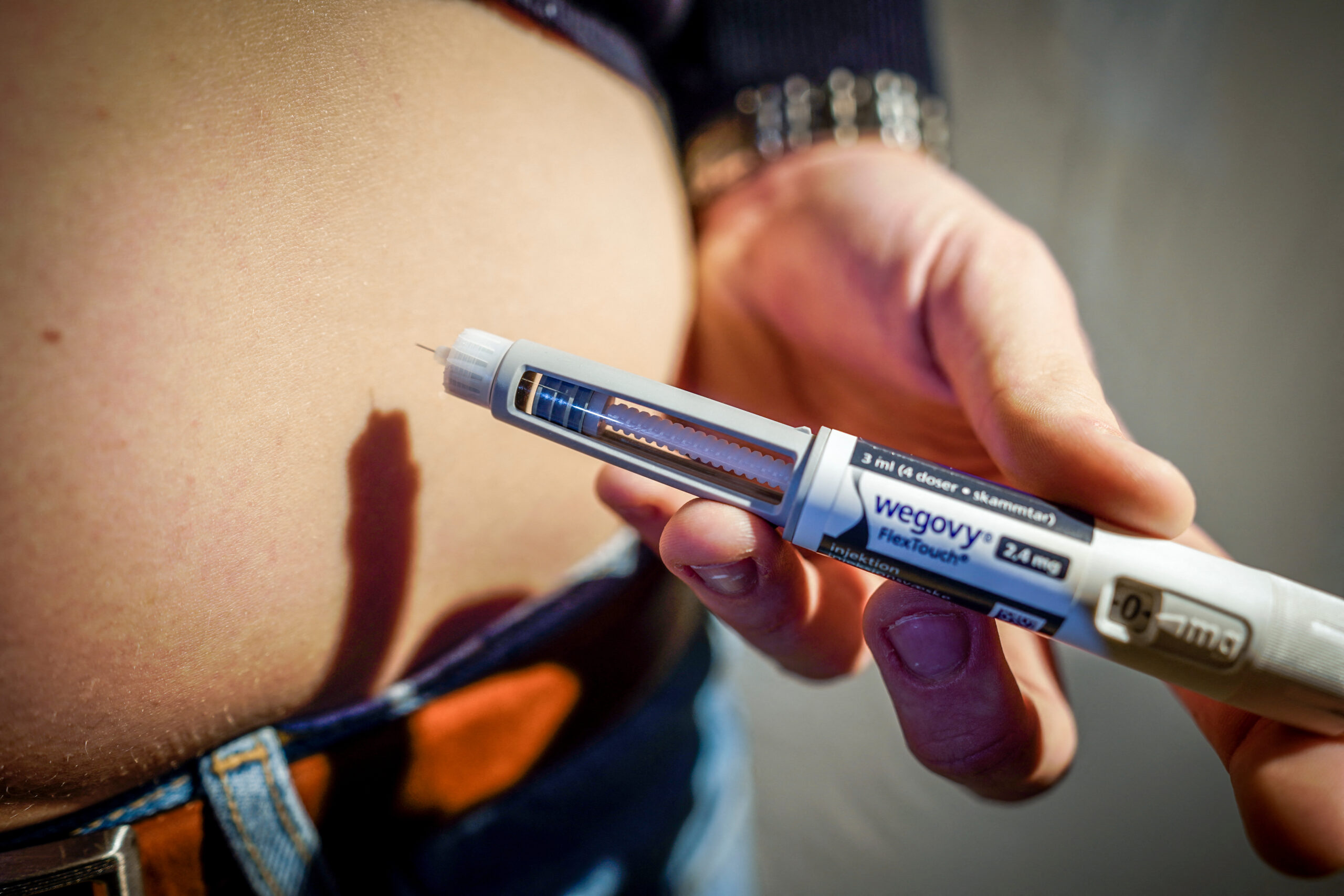
Why do we talk about "injections for weight loss"?
The term "slimming injection" is commonly used by the general public. In reality, these treatments are not aimed at rapid weight loss, but rather at a lasting change in the mechanisms of hunger and satiety.
The treatments affect eating habits and metabolic regulation. The weight loss observed is a consequence of the treatment, not a promise.
Reduced cravings
Reduction in uncontrolled food cravings, especially between meals.
Portion reduction
Feeling full faster, leading to more appropriate portion sizes.
Managing emotional triggers
Improved control of stress- or emotion-related eating.
Total energy expenditure
Optimization of metabolism as part of medical and dietary monitoring.
Legal framework and security in France
In France, GLP-1-based treatments are subject to strict medical regulations. Their use must comply with official recommendations and be part of a secure care pathway.
Mandatory medical prescription
Treatment subject to prescription, only after medical evaluation.
Enhanced surveillance
Monitoring and pharmacovigilance, particularly via the ANSM's surveillance systems.
Not for sale to the general public
Prohibition on over-the-counter sales or online purchases without a prescription.
Official recommendations
Strict adherence to protocols, indications, and contraindications.

Schedule an appointment for a medical evaluation
Would you like to know if a GLP-1 injection could be part of your treatment?
A specialized medical consultation allows us to assess your situation, your goals, and the appropriate solutions, in accordance with official recommendations.

A responsible medical approach
GLP-1 injection now represents a major medical advance in the treatment of obesity, when used rigorously, judiciously, and with monitoring.
It is neither a miracle solution nor a marketing promise, but a therapeutic tool that supports a responsible medical approach.