
Surgery for weight loss complications: medical indications, regulatory framework, and limited coverage
La perte de poids massive, qu’elle soit consécutive à une chirurgie bariatrique (sleeve, bypass gastrique, court-circuit digestif) ou à un traitement par analogues du GLP-1, entraîne des modifications corporelles profondes.
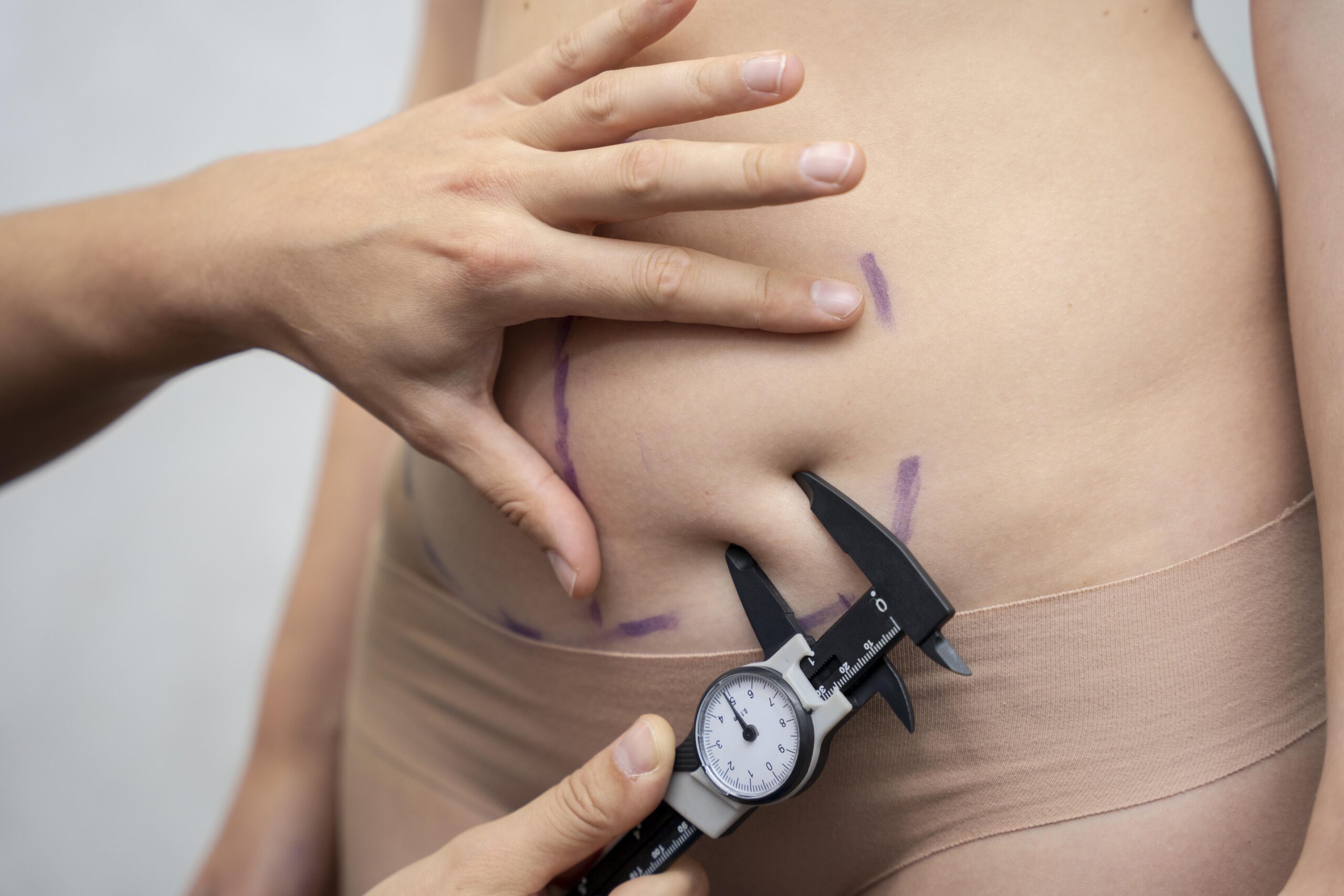
When body weight decreases, the skin does not always follow suit. This can lead to the appearance of excess skin, tissue slackening, functional discomfort, and alteration of the abdominal wall. abdominal wall and abdominal muscles.
It is in this context that reconstructive surgery for obesity (post-bariatric) fits in, a field at the intersection of medicine and aesthetics, which is strictly regulated when coverage by health insurance is considered.
In Marseille, the Clinique Phénicia treats these patients in an expert and structured setting, based on a rigorous assessment of surgical indications when they are not covered by health insurance.
Why have reconstructive surgery after significant weight loss?
After significant weight loss, several factors explain the persistence of excess skin:
- prolonged skin distension,
- impaired skin elasticity,
- rapid fat burning (particularly under GLP-1 analogues),
- Hormonal and metabolic changes related to obesity surgery.
The consequences go far beyond aesthetics:
- skin maceration and infections,
- pain, postural problems,
- limitation of physical activity,
- significant psychological impact.
Surgery to treat the aftereffects of weight loss therefore aims to restore function, mobility, and body image.
What surgeries are available after sleeve gastrectomy, bypass, or GLP-1?
The strategy depends on anatomy, medical history (digestive history, Crohn's disease, celiac disease, internal hernia, unexplained weight loss), and weight stability.
Body lift after significant weight loss
Standard procedure when the loosening is circular.
The body lift allows for simultaneous treatment of the abdomen, flanks, back, and buttocks.
Post-bariatric abdominoplasty
Indicated in cases of significant abdominal apron, with correction of abdominal muscle diastasis and re-tensioning of the abdominal wall.
Arm lift after significant weight loss (brachioplasty)
Common after significant weight loss, particularly after sleeve gastrectomy or GLP-1, when loose skin becomes debilitating.
Thigh lift
Treatment of excess skin causing friction, discomfort when walking, and functional difficulties.
Facelift
Often requested after rapid weight loss, particularly with GLP-1 analogues, when fat loss accentuates facial aging.
These cosmetic surgery procedures can be performed individually or in combination, according to a safe surgical schedule.
What surgeries are available after sleeve gastrectomy, bypass, or GLP-1?
The strategy depends on anatomy, medical history (digestive history, Crohn's disease, celiac disease, internal hernia, unexplained weight loss), and weight stability.
Body lift after significant weight loss
Standard procedure when the loosening is circular.
A body lift allows the abdomen, flanks, back, and buttocks to be treated simultaneously.
Post-bariatric abdominoplasty
Indicated in cases of significant abdominal apron, with correction of abdominal muscle diastasis and restoration of abdominal wall tension.
Arm lift after significant weight loss (brachioplasty)
Common after significant weight loss, particularly after sleeve gastrectomy or GLP-1, when loose skin becomes debilitating.
Thigh lift
Treatment of excess skin causing friction, discomfort when walking, and functional difficulties.
Facelift
Often requested after rapid weight loss, particularly with GLP-1 analogues, when fat loss accentuates facial aging.
These cosmetic surgery procedures can be performed individually or in combination, according to a safe surgical schedule.
Social Security coverage: a rare and strictly regulated indication
Coverage for reconstructive surgery after sleeve gastrectomy or gastric bypass by the French national health insurance system (Assurance Maladie) is possible but limited, and subject to very specific conditions.
General requirements
- Significant weight loss after bariatric surgery (sleeve gastrectomy or gastric bypass),
- Weight stabilized for several months,
- Functional skin excess (not just cosmetic),
- Documented impairment: abdominal apron covering the pubic area, repeated skin infections, objectively measurable functional impairment.
- Supported medical file and prior approval.
In practice, AMELI's coverage of reconstructive surgery after weight loss mainly concerns:
- reconstructive abdominoplasty,
- certain selected cases of body lift.
Be aware, however, that plastic surgeons will charge additional fees.
What is not usually covered
- isolated arm lift,
- thigh lift,
- facelift,
- pure cosmetic corrections,
- surgery after weight loss under GLP-1 without a history of bariatric surgery.
It is essential to understand that the majority of post-bariatric surgeries remain the responsibility of the patient, even after sleeve gastrectomy or gastric bypass.
Post-bariatric surgery: prices and waiting times
Post-bariatric surgery – prices
The cost of post-bariatric surgery depends on:
- the number of areas treated,
- the complexity of the aftereffects,
- of the duration of the operation,
- type of hospitalization.
Reconstructive surgery after sleeve gastrectomy: how long does it take?
- Procedure performed after weight stabilization,
- Short hospitalization depending on the procedure,
- Average duration: 15 days to 4 weeks,
- Progressive results, assessed over several months.
GLP-1: a new clinical reality
Patients treated with GLP-1 analogues have a different profile:
- rapid loss,
- diffuse loosening,
- excess skin that is sometimes less severe but more widespread.
Surgery for post-GLP-1 weight loss sequelae is based on a personalized approach, often ineligible for coverage, but medically justified on functional and psychological grounds.
Frequently Asked Questions
Is reconstructive surgery after bypass surgery covered?
Yes, in certain specific cases, after bariatric surgery, if the excess skin is functional and the weight has stabilized.
How long after sleeve gastrectomy can reconstructive surgery be considered?
Generally after weight stabilization, often 12 to 18 months after bariatric surgery.
Is a body lift always covered?
No. Coverage is exceptional and reserved for very specific situations.
Is surgery after weight loss under GLP-1 reimbursed?
No. Post-GLP-1 surgeries do not meet the current criteria of the French national health insurance system.
Can we see before and after photos?
Yes, only during medical consultations, in accordance with regulations.
Post-bariatric surgery is a logical continuation of successful weight loss. Although Social Security coverage is sometimes possible, it remains limited, conditional, and rare.
In Marseille, the Phénicia Clinic has established itself as a center of excellence for surgery to treat the after-effects of weight loss, with a demanding medical, regulatory, and aesthetic approach.