Ear Surgery by Otoplasty at the Phenicia Clinic

Cosmetic surgery – ear correction

Otoplasty in Marseille: permanent correction of protruding ears

Protruding ears are a common malformation. They are often experienced as a complex from childhood and can persist into adulthood, with a real impact on self-confidence.

Otoplasty surgery allows the ears to be pinned back, correcting their excessive projection. Depending on the case, it can also reduce the size of the outer ears in order to restore natural harmony to the face.
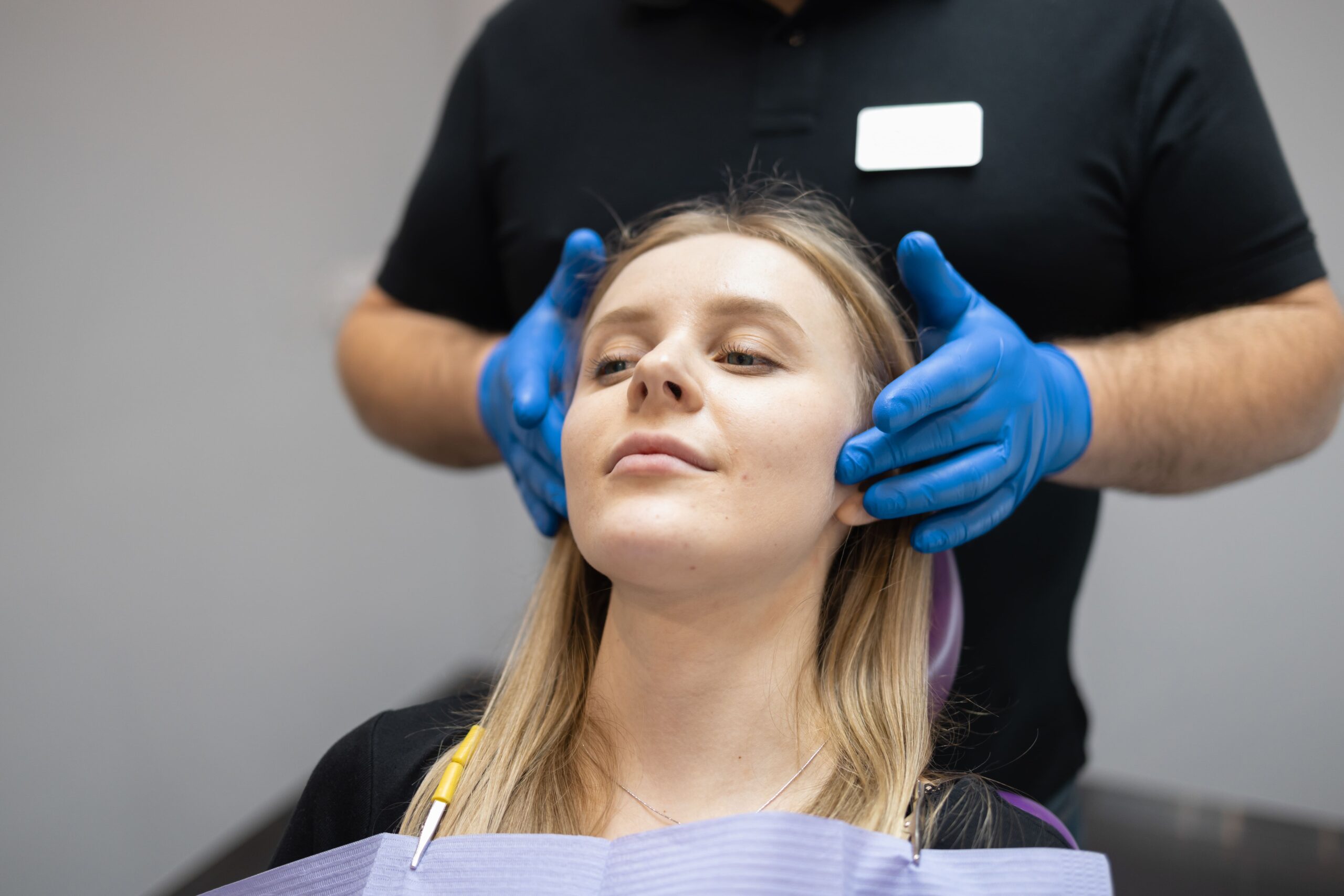
Otoplasty – correction of protruding ears

At Clinique Phénicia, otoplasty is performed according to rigorous surgical protocols. The goal is clear: to achieve a natural, stable, and discreet result that is socially acceptable and long-lasting. The procedure is performed under local or general anesthesia, depending on the patient's age and the extent of the correction required.

What is otoplasty?

Otoplasty is a surgical procedure for protruding ears that aims to reshape the ear cartilage in order to reposition the ears closer to the skull. Contrary to popular belief, it is not simply a matter of "sticking the ear back," but rather of restoring a coherent and harmonious anatomy.

The most commonly used technique involves folding the antihelix. Depending on the case, this may be combined with a reduction of the concha when the ear protrudes excessively.

Schedule a consultation appointment
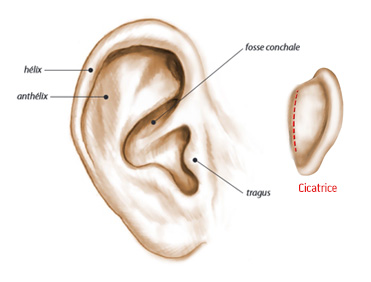
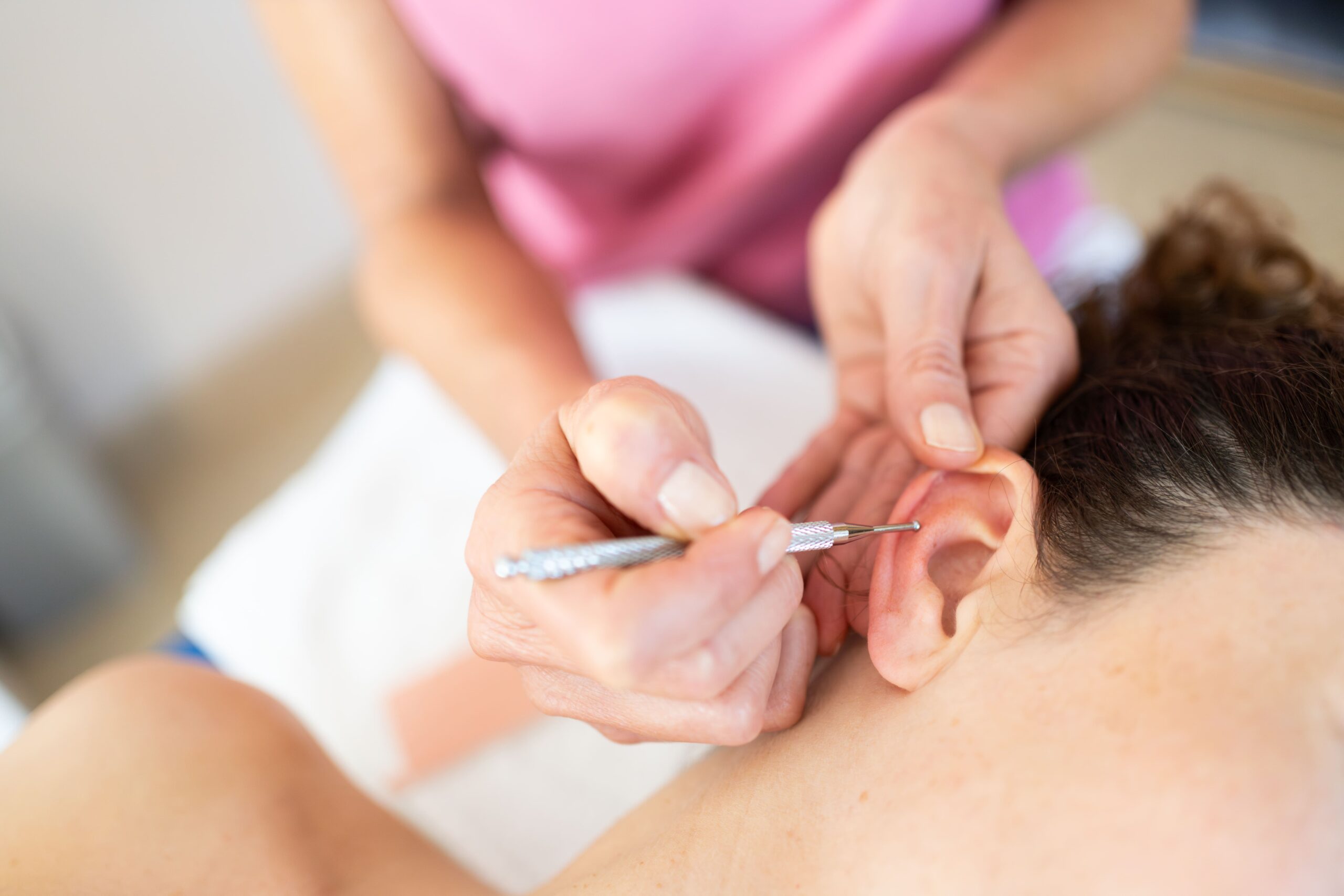
Otoplasty – correction of protruding ears

Who is the intervention aimed at?

In children

Otoplasty can be considered from the age of 6–7, when the ear has grown sufficiently. At this age, correction often helps to avoid the psychological impact of other people's perceptions.

In adolescents and adults

The procedure can be performed without age restrictions, as long as the complex is present. Otoplasty aims to restore natural and lasting harmony to the face.

Possible coverage

In certain pediatric cases with proven psychological repercussions, coverage by social security may be considered. In adults, the procedure is most often classified as cosmetic surgery, which is not reimbursed.

How is otoplasty performed?

Otoplasty surgery is performed under local or general anesthesia, depending on the patient's age, anxiety level, and the complexity of the surgical procedure. The procedure is performed on an outpatient basis, with the patient returning home the same day.

1. Retroauricular incision

An incision is made behind the ear, in the retroauricular sulcus. It is completely invisible once healed and allows precise access to the ear cartilage.

2. Cartilage remodeling

The ear cartilage is reshaped using non-absorbable internal sutures. This step recreates the natural curvature of the antihelix and corrects excessive protrusion of the auricle.

3. Sutures and dressing

The skin is closed with discreet stitches and then protected with a compression bandage. The average duration of the procedure is 1 to 1.5 hours.

Postoperative care following otoplasty

Post-operative care: pragmatism and discipline

Postoperative care is generally straightforward, provided that postoperative instructions are strictly followed.

Wearing a compression bandage day and night for 7 to 10 days, then only at night until 15 days. Edema and moderate tenderness transitory. Quick return to school or work, on average between 3 and 7 days.

At the Phénicia Clinic, post-operative care is carefully supervised to ensure the best possible outcome and minimize any risk of recurrence.

Schedule a consultation appointment

Results: natural and permanent

The result is visible quickly, then gradually refines over the weeks. The ear regains its natural position, without looking flat or artificial.

Surgery for protruding ears leaves no visible scars. Beyond the aesthetic aspect, it often brings immediate psychological benefits, especially for patients who have long suffered from self-consciousness.

👉 Key point: a well-performed otoplasty is not "visible," it can be guessed bythe restored harmony of the face.

Otoplasty and coverage by social security

Patient age

Treatment may be considered only for children or adolescents, when the correction is performed at an age when the psychological impact is proven.

Psychological impact

Protruding ears must be associated with a documented psychological impact (emotional distress, teasing, isolation).

File validation

The medical file must be validated before the procedure. Without prior validation, no coverage is possible.

Inadults, otoplasty is most often a personal choice and is not covered bysocial security.

Why choose the Phénicia Clinic?

The Phénicia Clinic is committed to a demanding medical approach, far removed from industrial and standardized practices. Each treatment is based on precise surgical planning, guided by medical indications and facial balance.

Each patient benefits fromthe expertise of an experienced cosmetic surgeon, an individualized morphological analysis, and proven techniques, without compromising on safety.

The care pathway includes rigorous post-operative follow-up, ensuring stable results and high-quality recovery.

Our position is clear: surgery that is well indicated, well performed, and based on transparent information at every stage.
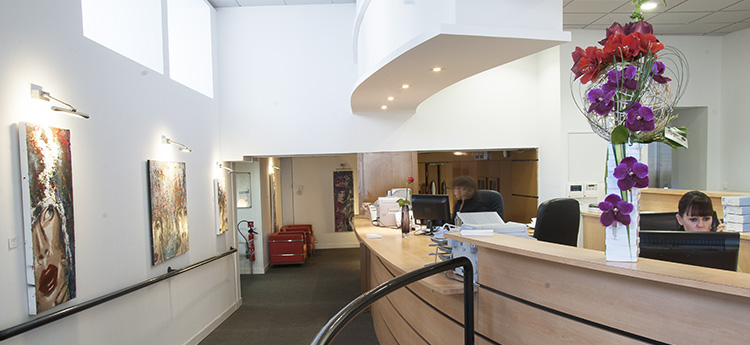
Personalized welcome and support at the Phénicia Clinic


Frequently asked questions about otoplasty

Is otoplasty painful?
The pain is generally moderate and well controlled by simple pain relief treatment.
Is the result final?
Yes, provided you wear the headband and follow all post-operative instructions.
Can surgery be performed on just one ear?
Yes, when asymmetry warrants it, unilateral correction may be considered.
Are the scars visible?
No. The scars are located behind the ear, in the retroauricular sulcus, and become invisible once healed.
Where can I have otoplasty surgery in Marseille?
For otoplasty in Marseille, you can contact Clinique Phénicia, a clinic specializing in cosmetic surgery.

In summary

Otoplasty is a reliable procedure that is quick and has a significant positive psychological impact. At Clinique Phénicia, it is considered a comprehensive, precise, measured, and long-lasting surgery.

Reattach ears, yes. But above all, reconcile a patient with their image.