
Lipoedema: Stick Leg Syndrome
Lipoedema, also known as "cankle syndrome", is a chronic medical condition characterized by excessive fat deposits, mainly in the lower limbs.
The Phenicia Clinic in Marseille invites you to learn more about lipoedema and the procedure used to treat it.
What are the causes, how is it diagnosed, and which liposuction technique can be used to treat lipedema? In this article, we will also discuss pre- and post-operative instructions, expected results, and other important aspects of this procedure.
What is lipedema?
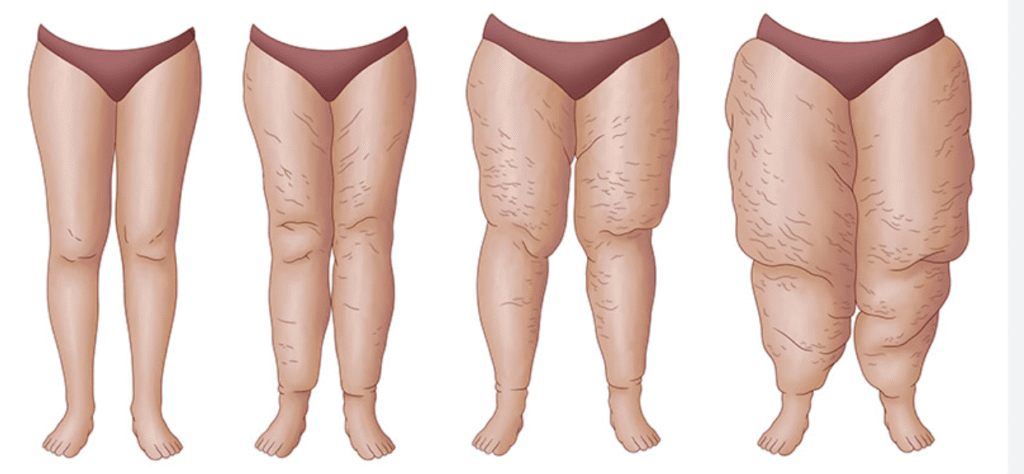
Lipoedema is a chronic and progressive disease that mainly affects women. primarily women. It is characterized by abnormal accumulation of fat, often in the lower limbs, but can also affect the arms. The affected areas often appear disproportionate to the rest of the body, with irregular contours and pockets of hard, painful fat.
What causes lipedema?
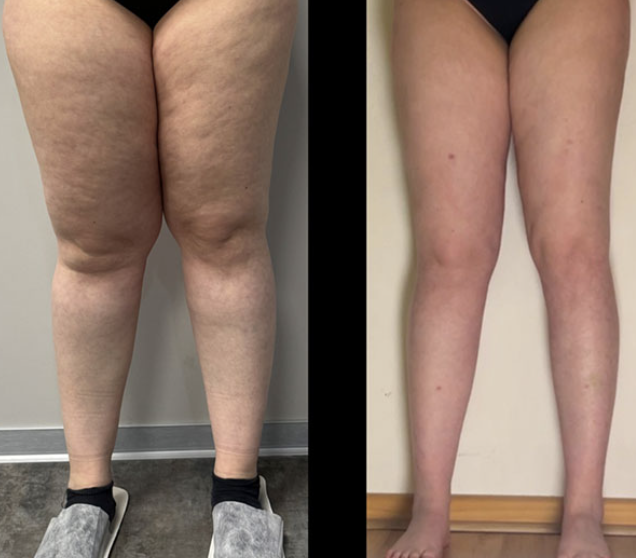
Lipedema is a chronic, progressive condition that primarily affects women. It is characterized by abnormal fat accumulation, often in the lower limbs, but can also affect the arms. The affected areas often appear disproportionate to the rest of the body, with irregular contours and pockets of hard, painful fat.
How is lipedema diagnosed?
The diagnosis of lipoedema is often based on a physical examination and your medical history.
Symmetrical fat deposits fat in the lower limbs, a feeling of heaviness and pain, and the preservation of ankle size are typical characteristics of lipoedema.
Additional tests such as ultrasound or MRI may be used to confirm the diagnosis and rule out other similar medical conditions.
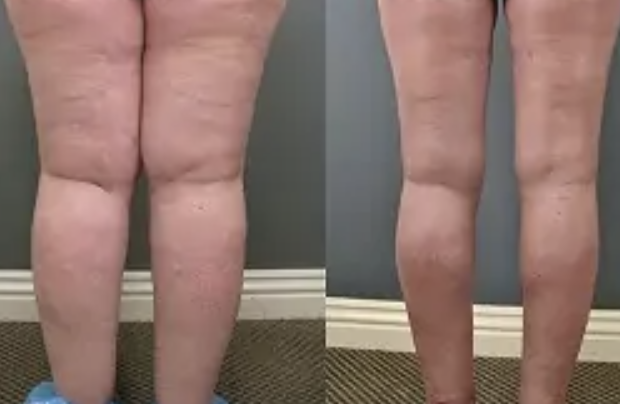
VASER, or Vibration Amplification of Sound Energy at Resonance, is an ultrasound-assisted liposuction technology.
VASER HD liposuction (High Definition) allows fat deposits to be removed in a less invasive way than traditional liposuction, as it liquefies fat cells in the superficial layers (under the skin) and deep layers (above the muscles).
VASER liposuction, also known as HD liposuction, liposelection, or ultrasound liposuction, represents a significant advance in liposuction techniques and offers much better results.
This method is often preferred for treating lipedema because it allows for more precise removal of fat deposits while minimizing trauma to surrounding tissue and reducing the risk of bleeding and bruising.
Water-assisted liposuction (WAL) uses a pulsed water jet to loosen fat cells before they are suctioned out. Although this technique is also effective, it may be less precise than the VASER technique and may require larger incisions.
What are the differences between the VASER technique and the WAL technique?
The main differences between the VASER technique and the WAL technique lie in the method used to remove fat cells. While VASER uses ultrasound to emulsify fat, WAL uses a pulsed water jet. As a result, VASER is often considered to offer greater precision and a shorter recovery time, while WAL may be associated with more significant post-operative bruising and swelling.
What are the preoperative instructions for treating lipedema?
Before undergoing liposuction for lipedema, you will receive specific instructions from us. These may include stopping certain medications, undergoing preoperative tests, and following dietary guidelines to optimize the results of the surgery and reduce risks.
How is VASER liposuction performed to treat lipedema?
Before the procedure begins, you will be anesthetized to ensure optimal comfort and no pain during the procedure.
Once the area to be treated is numb, your surgeon will insert a thin VASER probe through small incisions in the skin. This probe emits ultrasound waves that emulsify and liquefy fat cells without damaging the surrounding tissue.
After the fat has been emulsified, a thin suction tube, called a cannula, is inserted to suck the liquefied fat out of the treated area. The surgeon will use precise movements to sculpt the area and achieve the desired results.
Once all targeted areas have been treated, the incisions are usually closed with sutures or bandages. Compression garments may be applied to reduce swelling and promote healing.
The duration of liposuction surgery for lipedema can vary depending on the amount of fat to be removed and the number of areas treated. In general, the procedure can last between one and three hours, depending on the extent of the procedure.
A reduction in fat deposits
VASER liposuction effectively targets and reduces excessive fat deposits associated with lipedema, which can significantly improve the body's silhouette and proportions.
Improved symmetry
- By selectively removing excess fat cells, VASER High Definition liposuction helps restore a more harmonious symmetry between different parts of the body, thereby reducing the asymmetries caused by lipedema.
A reduction in swelling
Although swelling is normal after surgery, it gradually subsides over time. By following post-operative instructions, patients can generally expect a significant reduction in swelling in the weeks and months following VASER liposuction.
Improved mobility and comfort
By reducing the size of fat deposits affected by lipedema, VASER ultrasound liposuction can also improve mobility and reduce discomfort associated with movement and pressure on the affected tissues.
Psychological well-being
In addition to the physical benefits, you will undoubtedly experience a significant improvement in your psychological well-being and self-esteem after undergoing VASER liposuction to treat lipedema. You will feel more confident and satisfied with your appearance.
It is important to note that the final results of VASER liposuction may take several months to fully manifest, as the body's healing and recovery process is gradual. It is also essential to maintain a healthy lifestyle that includes a balanced diet and regular exercise to optimize long-term results.
What are the post-operative instructions for VASER HD liposuction to treat lipedema?
At Phenicia Clinic, we make it a point of honor to support you before, during, and after your procedure. You will therefore be gently monitored in the recovery room to ensure optimal recovery. We will provide you with post-operative instructions, including advice on incision care, pain management, and wearing compression garments.
It is important to follow these instructions carefully to optimize the results of VASER liposuction and minimize complications.
Good to know: Lymphatic drainage after surgery After VASER HD liposuction surgery to treat lipedema, lymphatic drainage may be recommended to help reduce swelling and promote faster healing. This massage technique promotes the movement of lymphatic fluids, helping the body eliminate toxins and reduce inflammation. In conclusion, treating lipedema with ultrasound-assisted liposuction using VASER technology offers an effective solution for patients suffering from this chronic condition. By combining advanced surgical techniques with appropriate pre- and post-operative care, we can help you regain a better quality of life and greater self-confidence.